
What I Wish I Knew as a Young Coach: Part 2
December 3, 2025
Why “Tough to Coach” Kids Often Need Us the Most
By Sarah Batdorf, Managing Director
Even when I first started coaching, I truly believed each kid was special and unique. Every gymnast brings their own little world with them: their learning style, their preferences, their strengths, their fears, and the way they respond to pressure. All of this matters. This is also constantly changing! Understanding them sometimes feels like a moving target, but the time and effort we spend trying is an investment with compounding interest.
In the beginning of my coaching career, I didn’t fully understand that honoring each gymnast’s uniqueness can be messy. It’s not always a clean or easy process. Sometimes a kid’s true needs show up in ways that feel frustrating or confusing, but the reality is that they are still learning how to communicate, and it’s MY job as the coach to provide a safe place for them to learn that life skill.
I think about a gymnast I had–I’ll call her Haley. She was, in every sense of the word, tough. She was getting kicked off events for disrespectful behavior. She ignored directions and blew off her assignments. She shut down or exploded when things weren’t going well. Everything seemed to set her off.
By the time I scheduled a parent meeting, I was exhausted and honestly wanted to give up. And then her mom just… cried. She told me everything Haley was navigating at home and at school: family conflict, friend drama, academic struggles, a health issue no one could quite figure out, plus the general chaos of being a young girl in a body and brain that are changing every five minutes.
And when I asked why she hadn’t shared any of this earlier, she said, “Haley doesn’t want to be treated differently. The gym is where she gets to feel normal.”
Um, wow. That moment truly changed me. It made me realize how much happens behind the scenes—how much kids carry silently, and either don’t know how to tell us, or can’t. We rarely know the whole picture. Sometimes we don’t even know a tenth of it.
All we can do is create a space where they feel safe enough to be themselves. And over time, if we’re lucky, safe enough to let us in.
With Haley, I shifted my approach. I changed my tone from authoritative to curiosity:
- “How much mental energy do you have today?”
- “What do you need most right now?”
- “Do you feel safe trying this?”
- “What do you think might work?”
Slowly (sooooooo slowly), things started to change. Gymnastics really is such a grind, so you don’t always notice the transformation until you zoom out, but by the end of the season, EVERYONE noticed it. She began to participate more, cheering on her teammates and chatting with coaches. She approached me with creative ideas on how to help her overcome difficulties and even emerged as a leader in her group, holding her teammates accountable and leading by example. All this happened not because I "fixed" her, but because she was empowered to become part of the process. She had a voice. She had ownership. She had room to think and feel and choose.
That’s when it really hit me:
This isn’t really about gymnastics. It’s about a whole lot more than that.
If there’s one thing I hope young coaches hear, it’s this: the “tough” kids aren’t actually tough. They’re hurting, or scared, or overwhelmed, or unsure of themselves, and they don’t yet have the language or the courage to tell you. They are just LITTLE HEARTS. And they need us–our patience, our humility, and our time.
You won’t always get it right. You’ll get frustrated. You’ll question yourself. But if you keep choosing curiosity over judgment, connection over control, and patience over convenience, you’ll be the coach they remember decades from now.
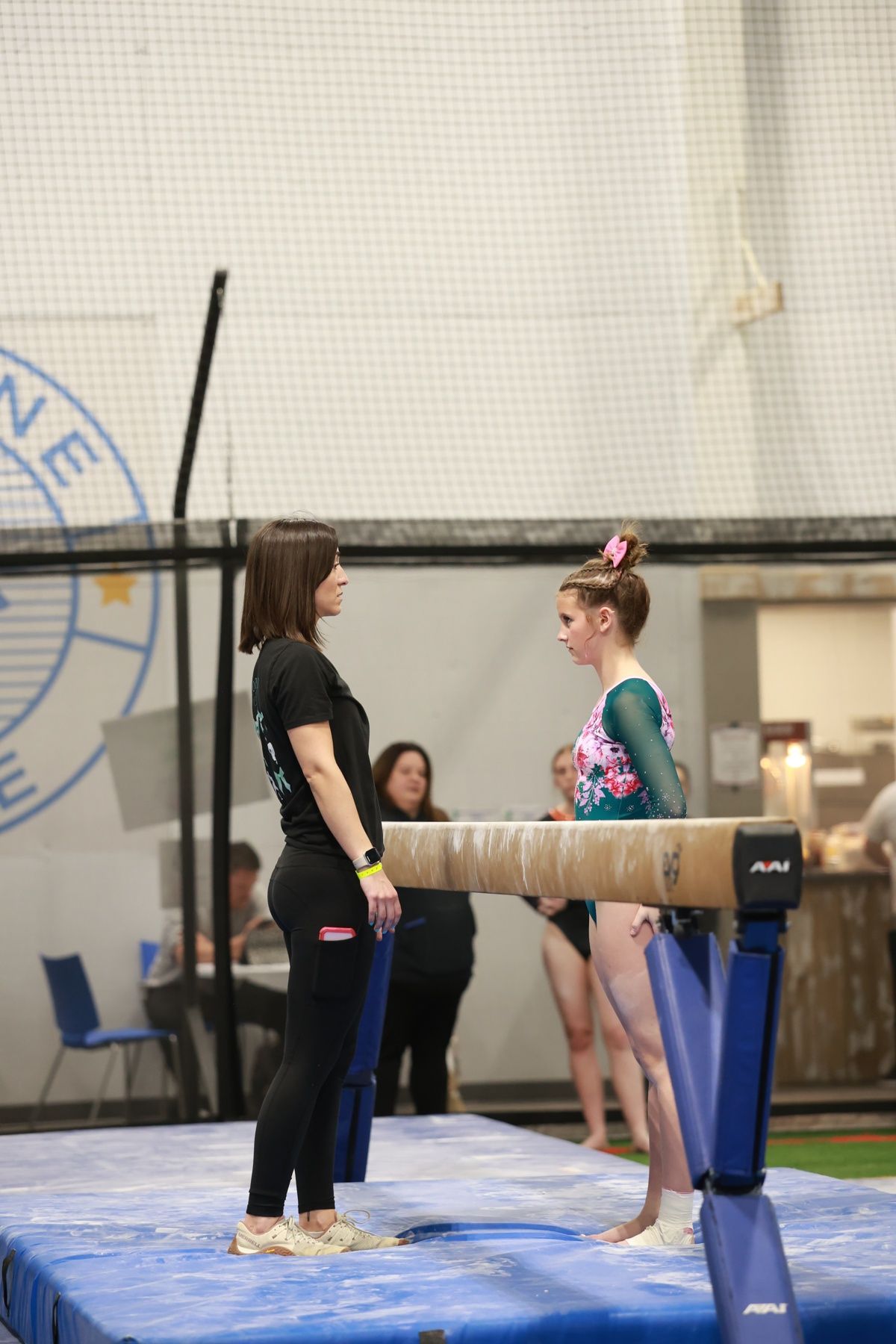
A Top Flight coach writes to the gymnast who feels behind her teammates: why your timeline is your own, and questions to ask before you give up on your goals.
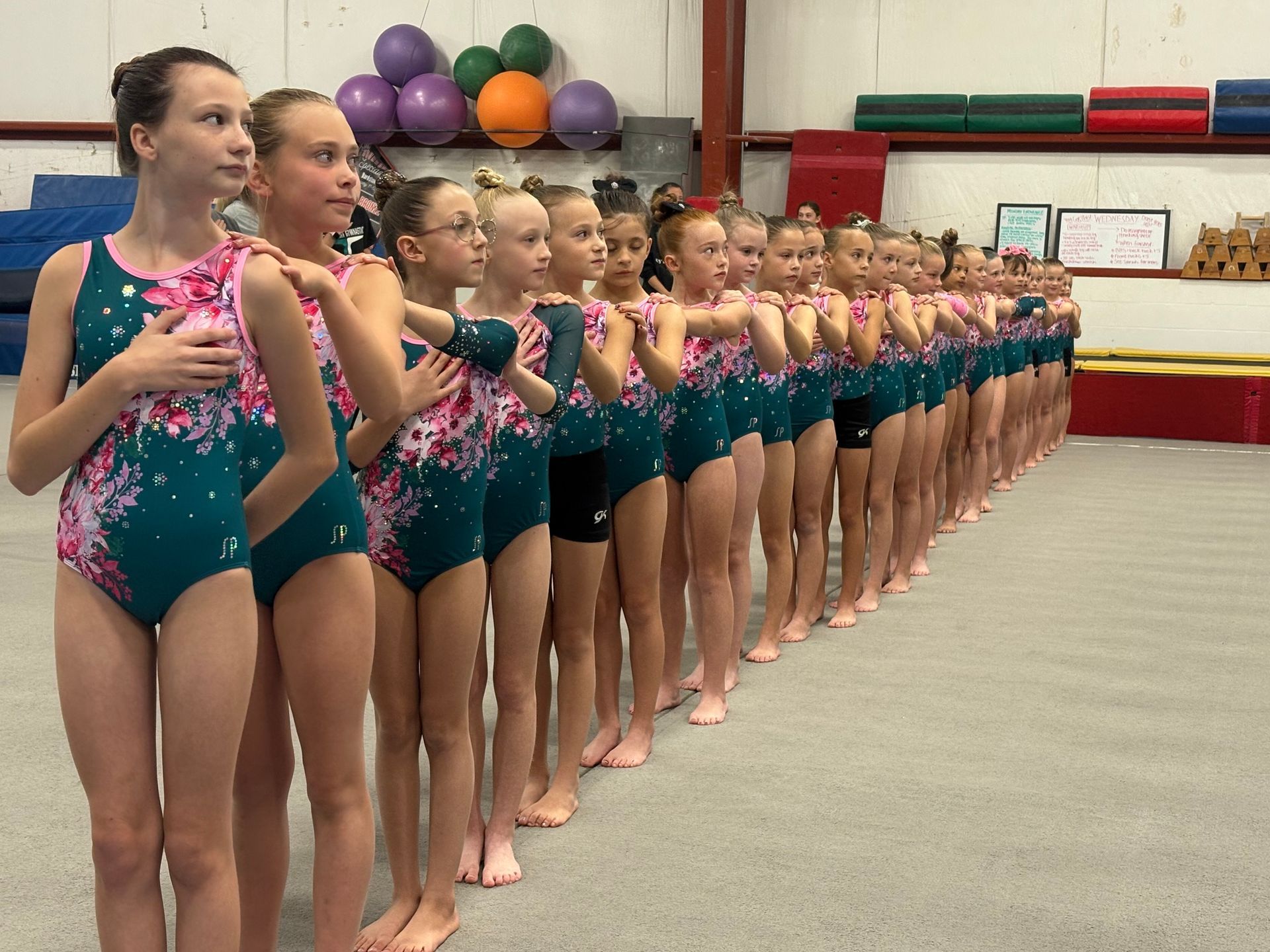
Why frustration tears are common in gymnastics, and how listening, rest and patience help young athletes push through plateaus and mental blocks.
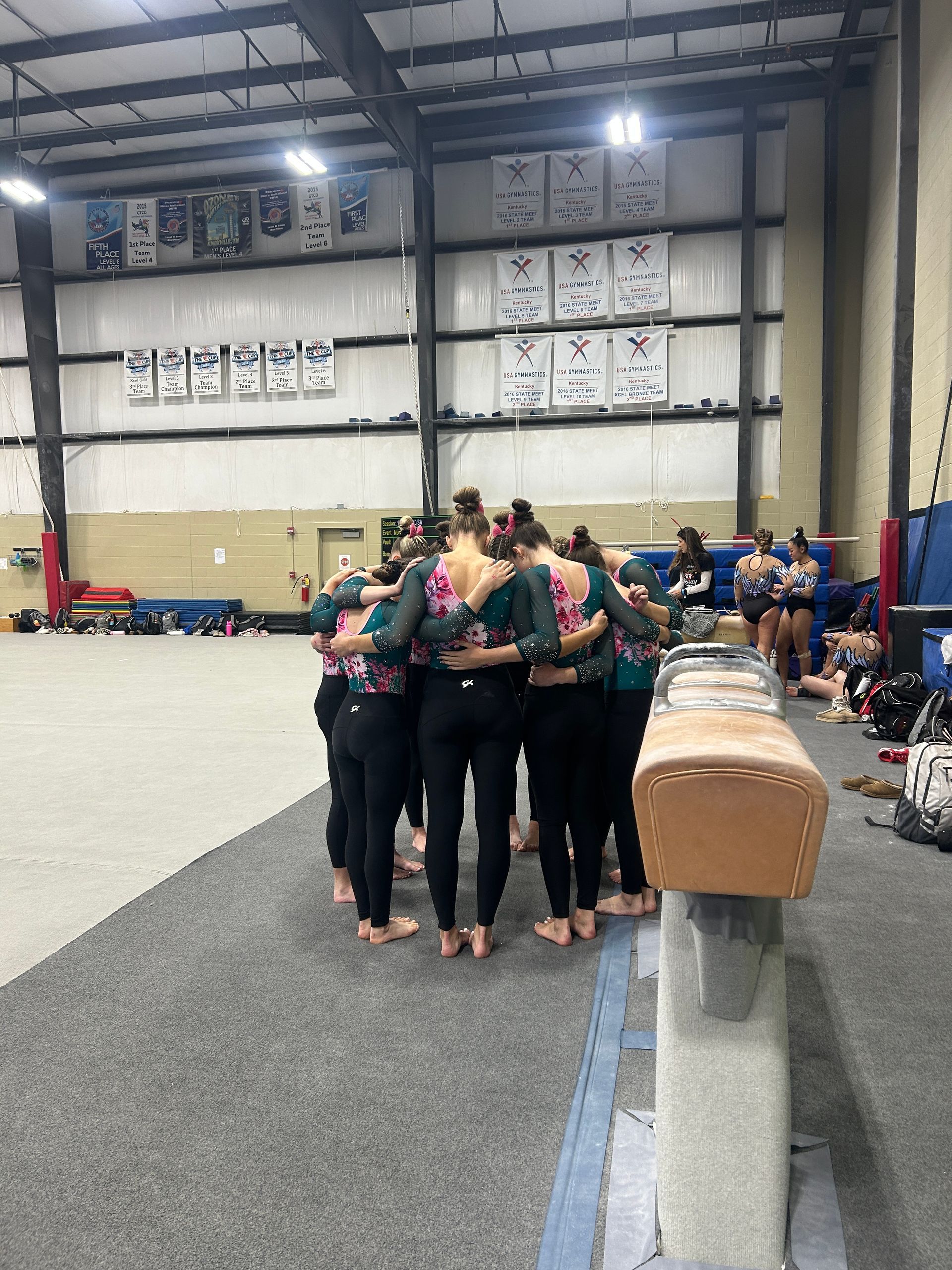
A gymnastics coach reflects on the strengths other people see in us before we can see them ourselves, and what that taught her about patience and growth.
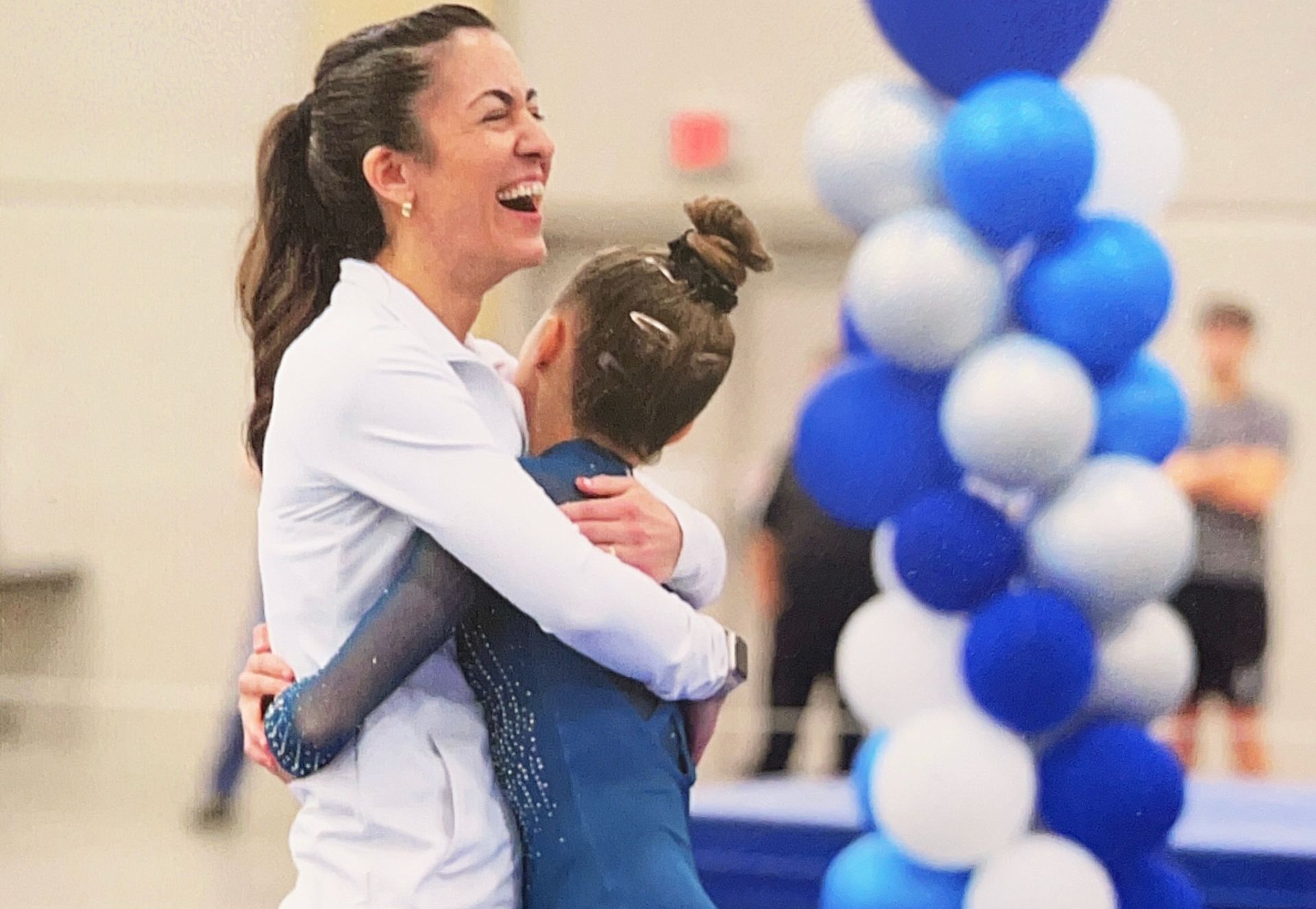
Sarah Batdorf shares her first big coaching mistake: picking easy skills to win early, and how it later held gymnasts back on harder skills like beam.