What We See & What They Can’t (Yet)
January 19, 2026
I wanted to open this blog post with something like, “If you know me, you know I’m a planner.” But the more I thought about it, I wondered: how would I be described by someone I know?
We’ve all had it happen–we’re chatting with a friend who says, “Well, you’ve always been _____.” Sometimes that blank is filled with words about the things they admire about us. Sometimes it’s filled with a gentle nudge on how we can improve as people (or, more commonly, the things they like to tease us about). So often, we’re surprised by the things that people see in us… things we tend to have a blind spot for ourselves.
The things we can easily see are the things we don’t like: physical features we try to alter or hide, personality traits or mannerisms that we find embarrassing, and memories of the stupid things we’ve done. We ruminate and obsess and try to make sense of everything in the futile hope that we can reinvent ourselves. But freedom comes when we realize we don’t need to be reinvented–we just need to take inventory of all that we carry. The good and the bad. Because nothing goes to waste when we discover how every trait we carry shapes who we are becoming.
Over the years, people have named things in me that I couldn’t see for myself. Patience, for one. After one particularly rowdy 3-year-old class, a mom said, “Wow, you’re so great with them! I don’t know how you’re so patient!” I still don’t know if she meant it or if she was simply speaking it into existence for me, but it gave me something to hold onto. At first, I brushed those comments off, insisting that they were just being nice. The things they saw in me didn’t feel earned or intentional—they just happened to be at the right place at the right time. But over time, I realized something important: when someone sees something good in you and says it out loud, it actually CREATES something.
Not pressure, but possibility. We start to wonder, “Could it be?”
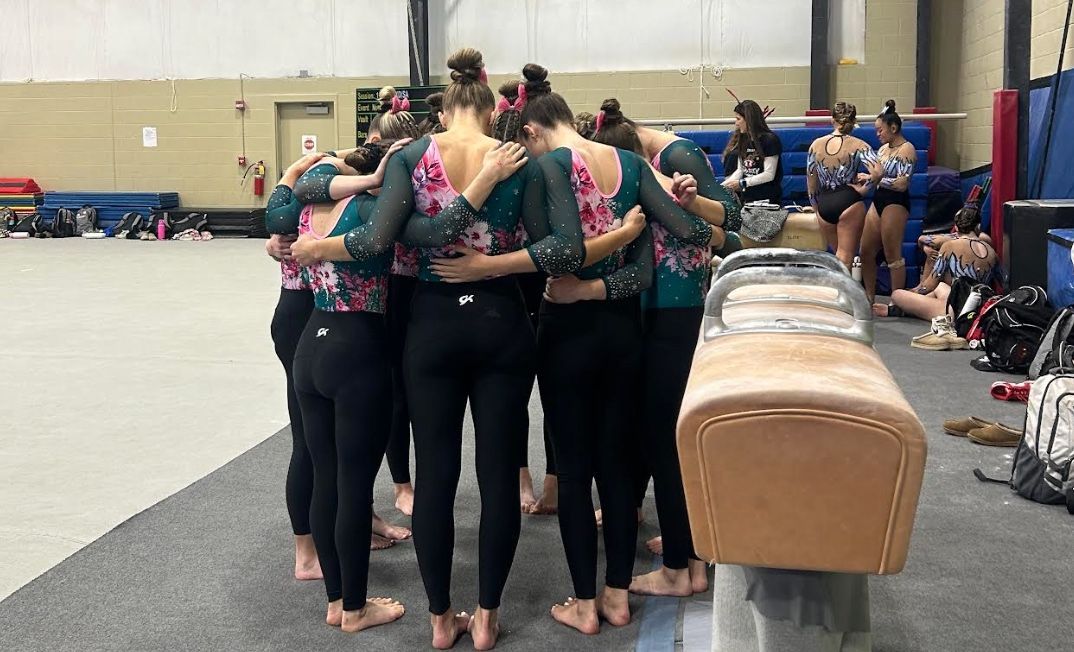
Coaching has taught me that this is one of the most powerful tools we have. Athletes rarely come into the gym fully aware of what they carry. They know what scares them, what feels hard, what they mess up. They don’t always see the quiet resilience, the leadership, the courage it takes to try again after a rough practice. Sometimes they need someone else to name it first.
Athletes almost never see themselves the way we see them. They see the missed skills, the falls, the comparison. We see effort, grit, growth, and untapped potential. So many times, I have watched a gymnast borrow belief before they were ready to own it—believing something was possible simply because a coach or a teammate said it was. Sometimes all it takes is someone steady enough to say, “I see this in you, even if you don’t yet.”
Those moments don’t always feel big in real time. Honestly, a lot of the time it feels like a pep talk falls flat. I’ve watched a gymnast fall dozens of times on a cast handstand while hearing me say, “This doesn’t matter. You’re great at bars. I see it.” And yes—I’ve been on the receiving end of MANY an eye roll. But consistency matters in what we say just as much as it matters in how athletes train. These moments, these words, add up. They shape how athletes learn to see themselves long after they’ve hung up their grips for good.
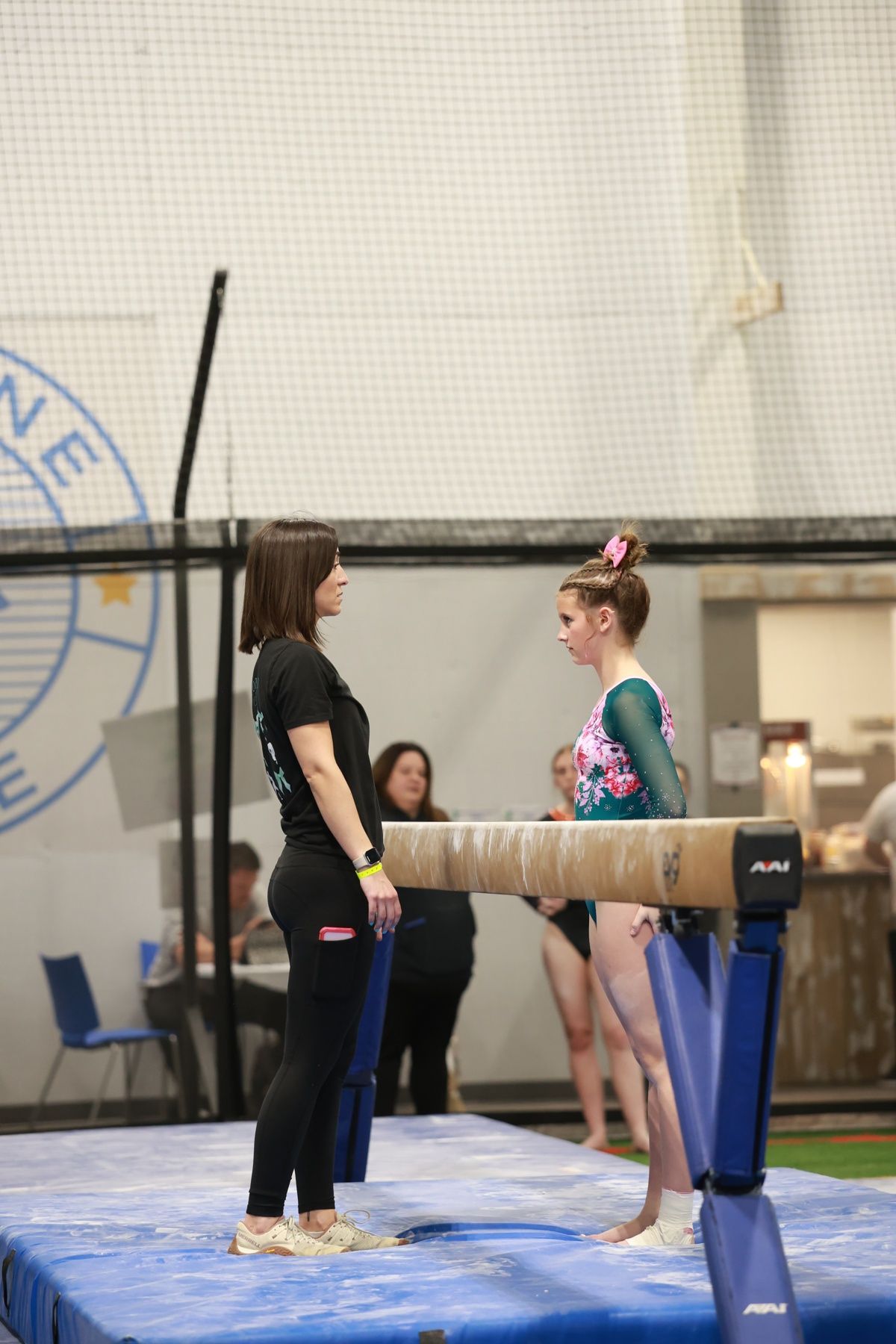
A Top Flight coach writes to the gymnast who feels behind her teammates: why your timeline is your own, and questions to ask before you give up on your goals.
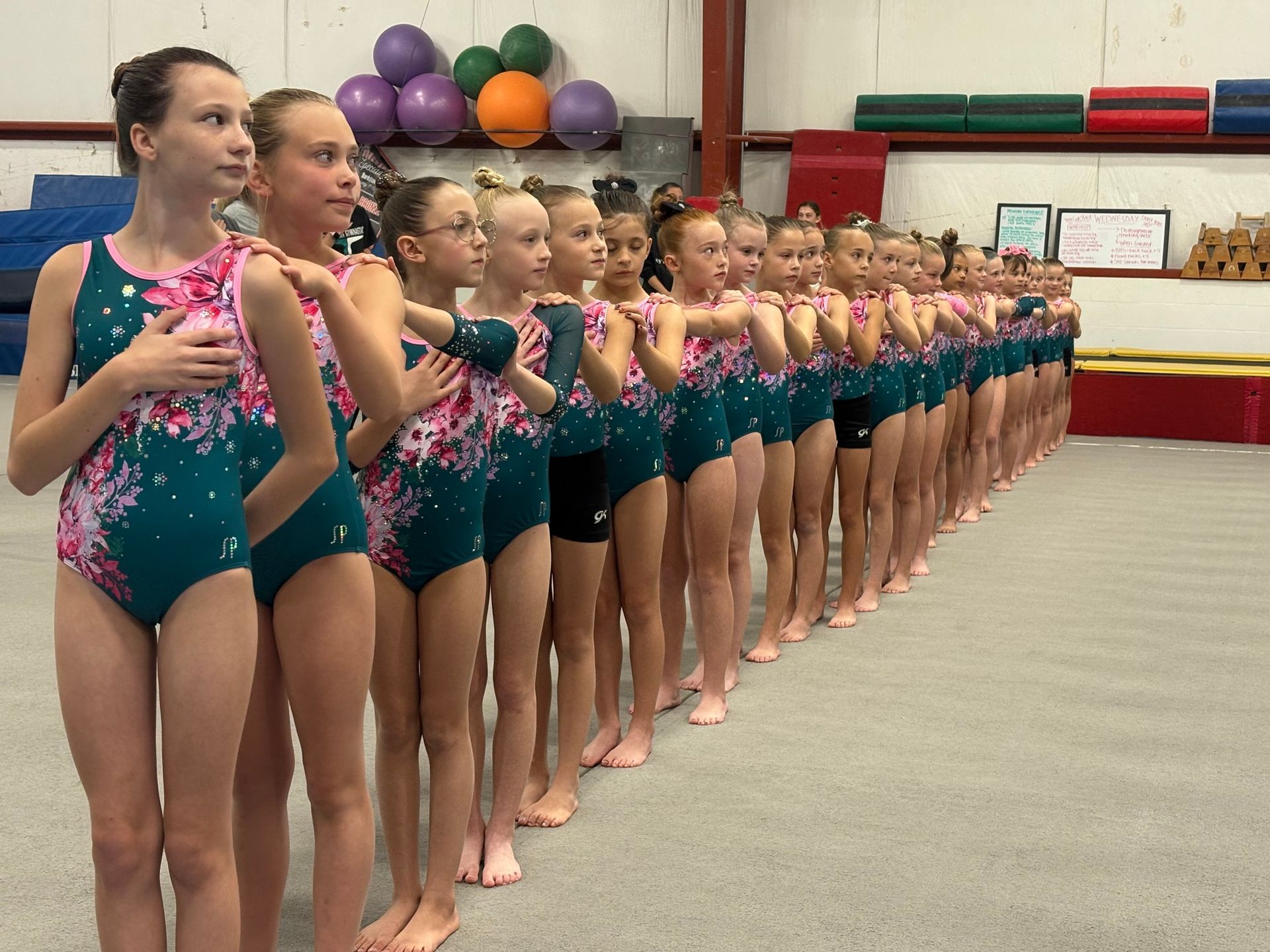
Why frustration tears are common in gymnastics, and how listening, rest and patience help young athletes push through plateaus and mental blocks.
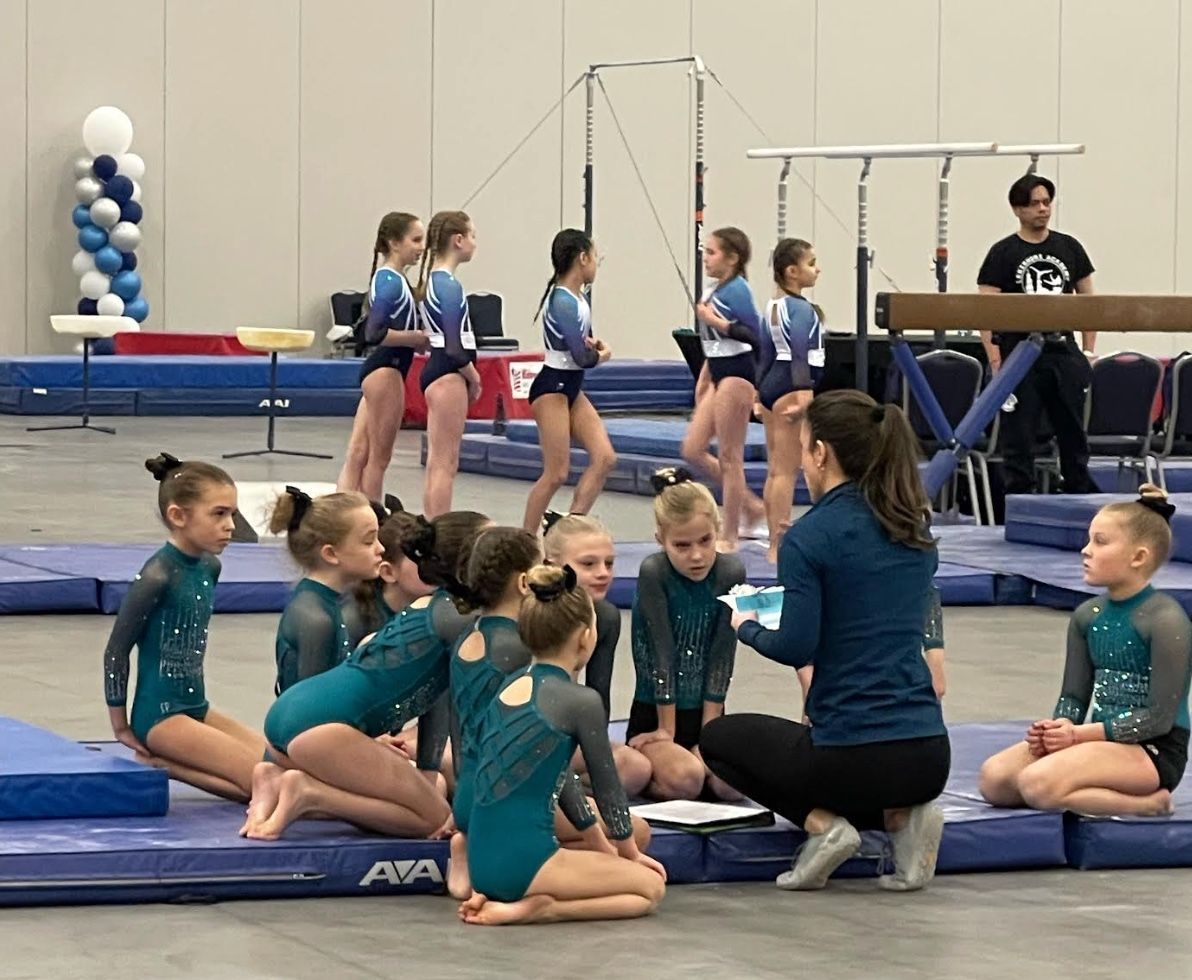
Sarah Batdorf, Managing Director at Top Flight, explains why tough to coach kids often need us most, and how coaches can meet each gymnast where they are.
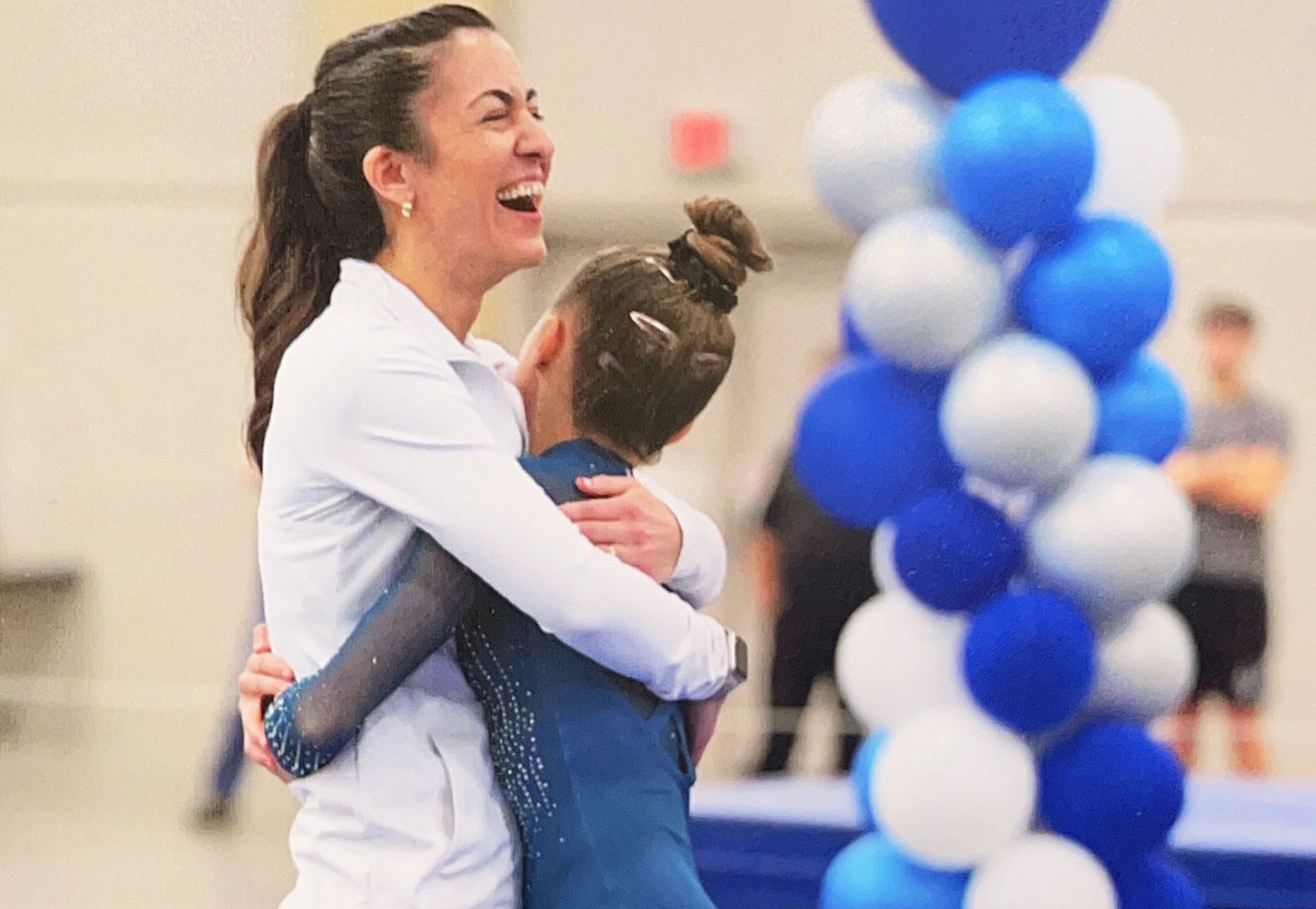
Sarah Batdorf shares her first big coaching mistake: picking easy skills to win early, and how it later held gymnasts back on harder skills like beam.