
Formed Under Pressure
February 23, 2026
I’ll cut to the chase—there are a lot of tears in gymnastics.
There are many reasons for them. The most common? Frustration.
These tears come hot and fast, spilling out from a place of deep passion (“I care about this so much”) and total confusion (“so why isn’t this working?”). They’ve usually been simmering for weeks during a plateau or mental block, after falling and failing a hundred times. They show up when effort doesn’t yet equal the outcome.
Tears of frustration aren’t fixed with quick advice or technical corrections. They’re best soothed by listening without judgment. By a good night’s sleep. By reminding an athlete that struggle does not mean failure, and that failure isn’t final. And yes, occasionally by a big fat milkshake (not required, but highly recommended).
With encouragement, patience, and consistency, these tears often come right before a breakthrough. I say that with confidence because I’ve seen it over and over again. When an athlete refuses to give up, frustration becomes the soil where perseverance takes root.
The next most common tears are disappointment.
These come slower. Quieter. They feel heavier… more like grief. They tend to surface in safe spaces: in the car ride home, in a parent’s arms, sitting at awards long after the meet has ended. Disappointment shows up when the outcome isn’t what we hoped for. When the score doesn’t reflect the work. When someone else is standing on the podium you imagined yourself on.
And here’s the truth: disappointment doesn’t disappear through shame (“you should just be happy for your teammates”) or denial (“you shouldn’t feel disappointed if you did your best”). It heals through acknowledgment. Through allowing it to hurt. Through honoring the effort that led there. Moving forward from disappointment requires courage–the courage to hope again. To risk caring again. To try again, without really knowing what the outcome will be.
This is where resilience is formed. Not just for gymnastics, but for life.
There are a dozen other flavors of tears in this sport; some bitter, some sweet. Tears of fear. Tears of relief. Tears of pride. Tears that come after injury. Tears that come on senior night. Tears that surprise even the toughest athletes.
But the most precious are the tears of joy.
They remind me of diamonds. Formed under immense pressure from something incredibly common, transformed into something rare and valuable. They take time. The conditions have to be right. The pressure has to be endured.
And when they finally come, they shine.
If you’ve been in gymnastics long enough, you know: the tears aren’t a sign that something is wrong. They’re a sign that something matters BIG to these little hearts.
If you’re a parent sitting in the stands wondering whether the tears mean your child should quit… believe me: they don’t. Tears mean they care. And caring is the prerequisite for growth.
If you’re a coach wondering if the tears mean you haven’t done enough–they don’t.Sometimes tears are simply proof that your athlete feels safe enough to care deeply in front of you.
And if you’re the gymnast wiping your eyes and feeling embarrassed by your emotions–don’t be. Your tears are proof that your heart is in this. And that’s something to be proud of.
Yes, there are a lot of tears in gymnastics. But because of the tears, there is also growth. And grit. And joy. And today, I’m thankful for that.
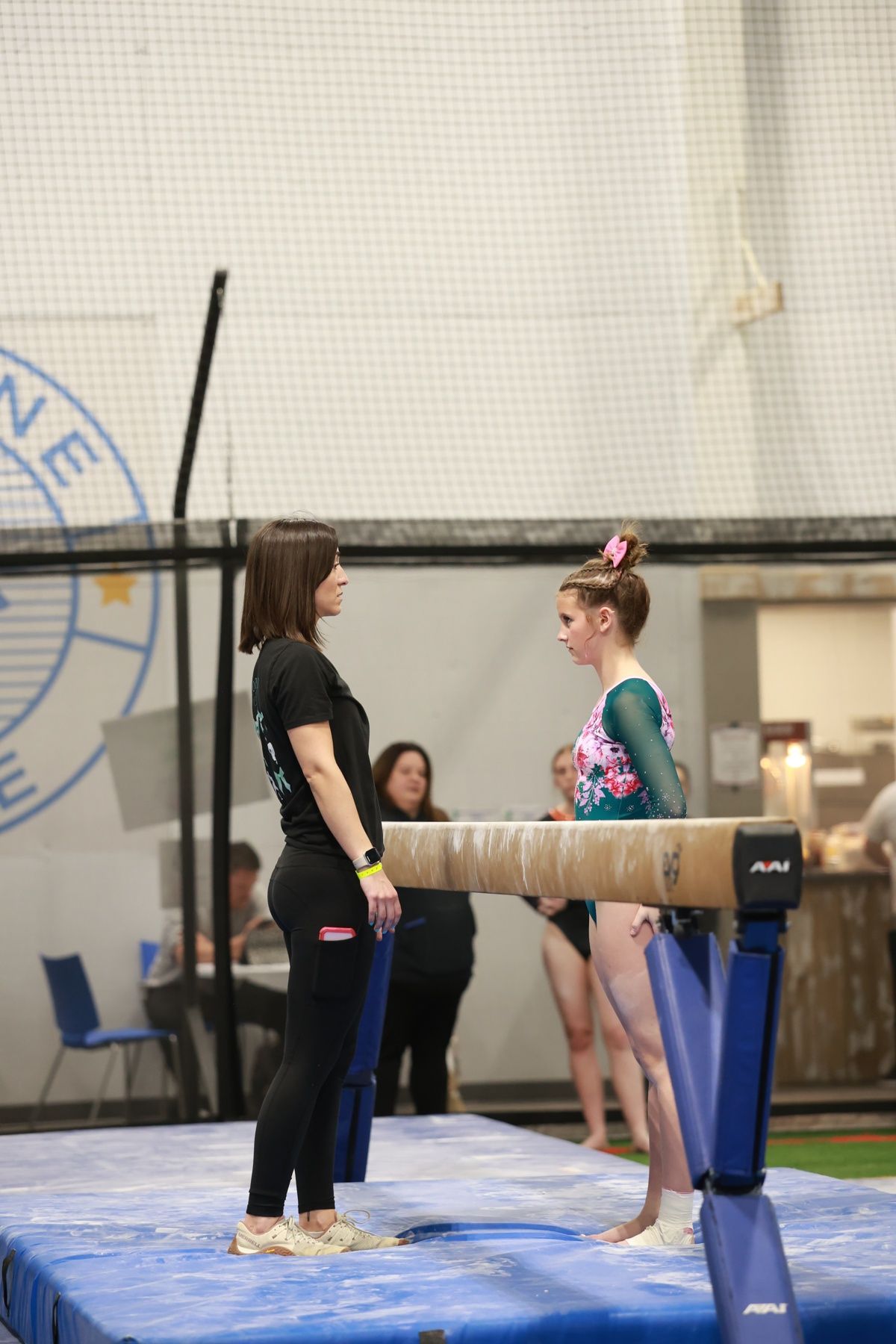
A Top Flight coach writes to the gymnast who feels behind her teammates: why your timeline is your own, and questions to ask before you give up on your goals.
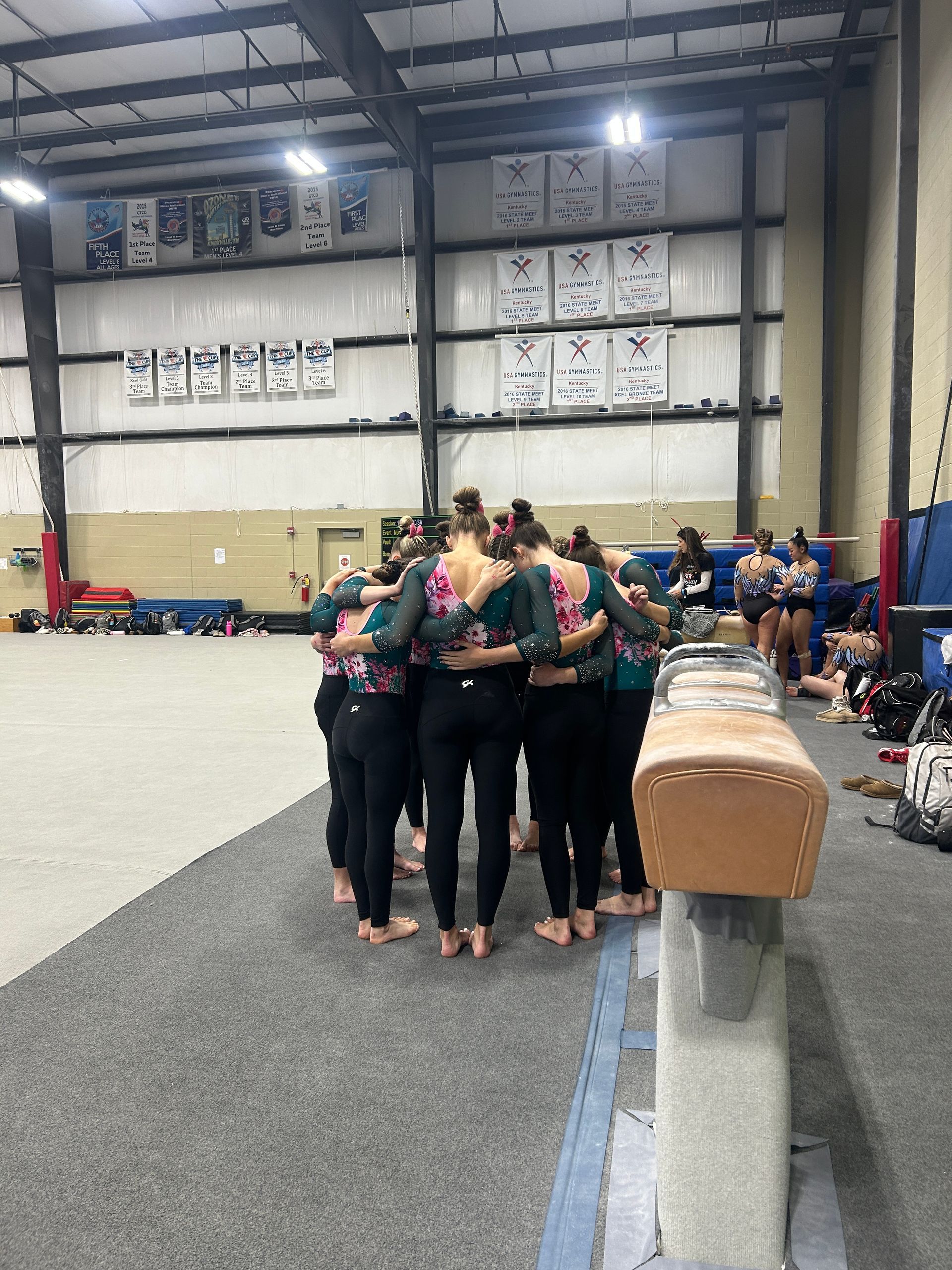
A gymnastics coach reflects on the strengths other people see in us before we can see them ourselves, and what that taught her about patience and growth.
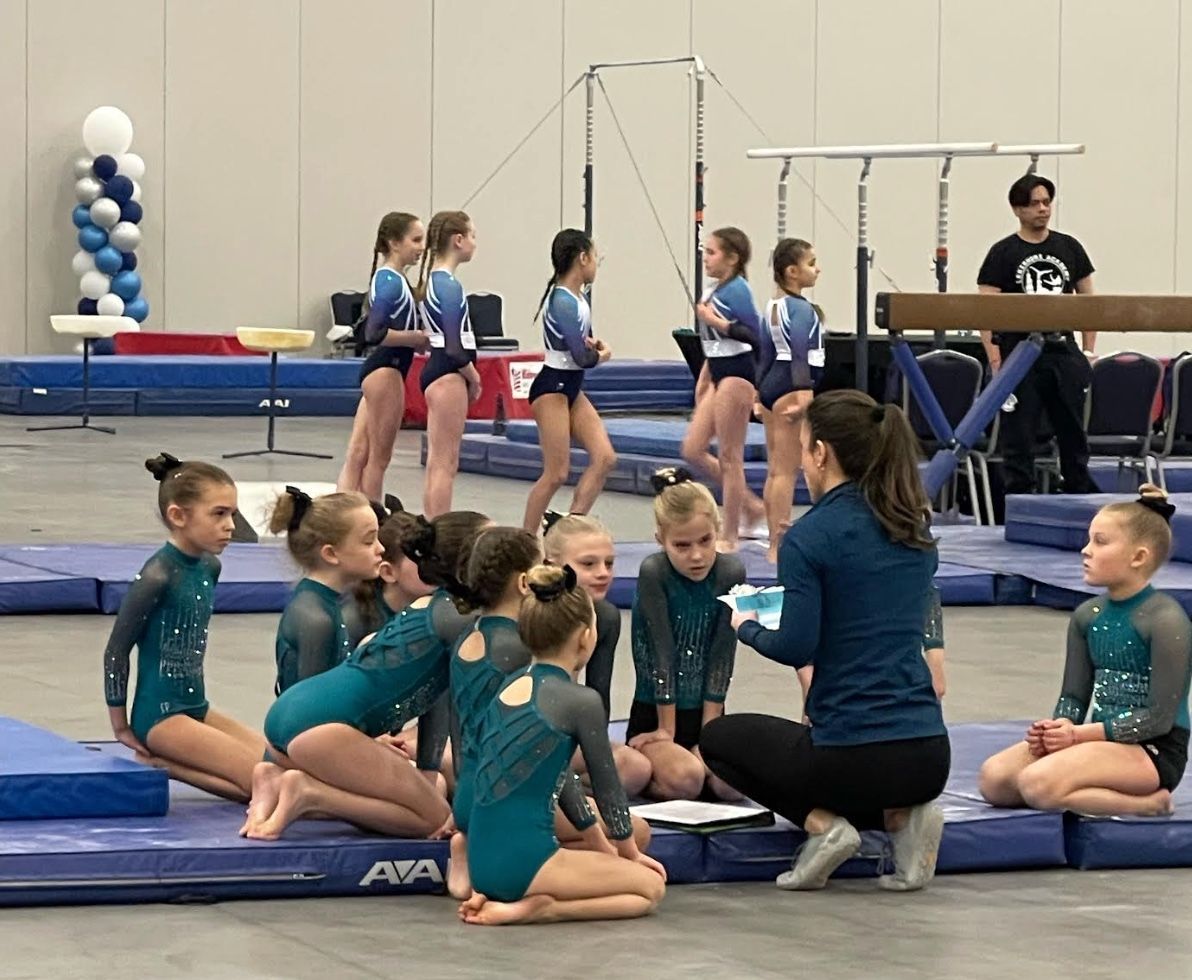
Sarah Batdorf, Managing Director at Top Flight, explains why tough to coach kids often need us most, and how coaches can meet each gymnast where they are.
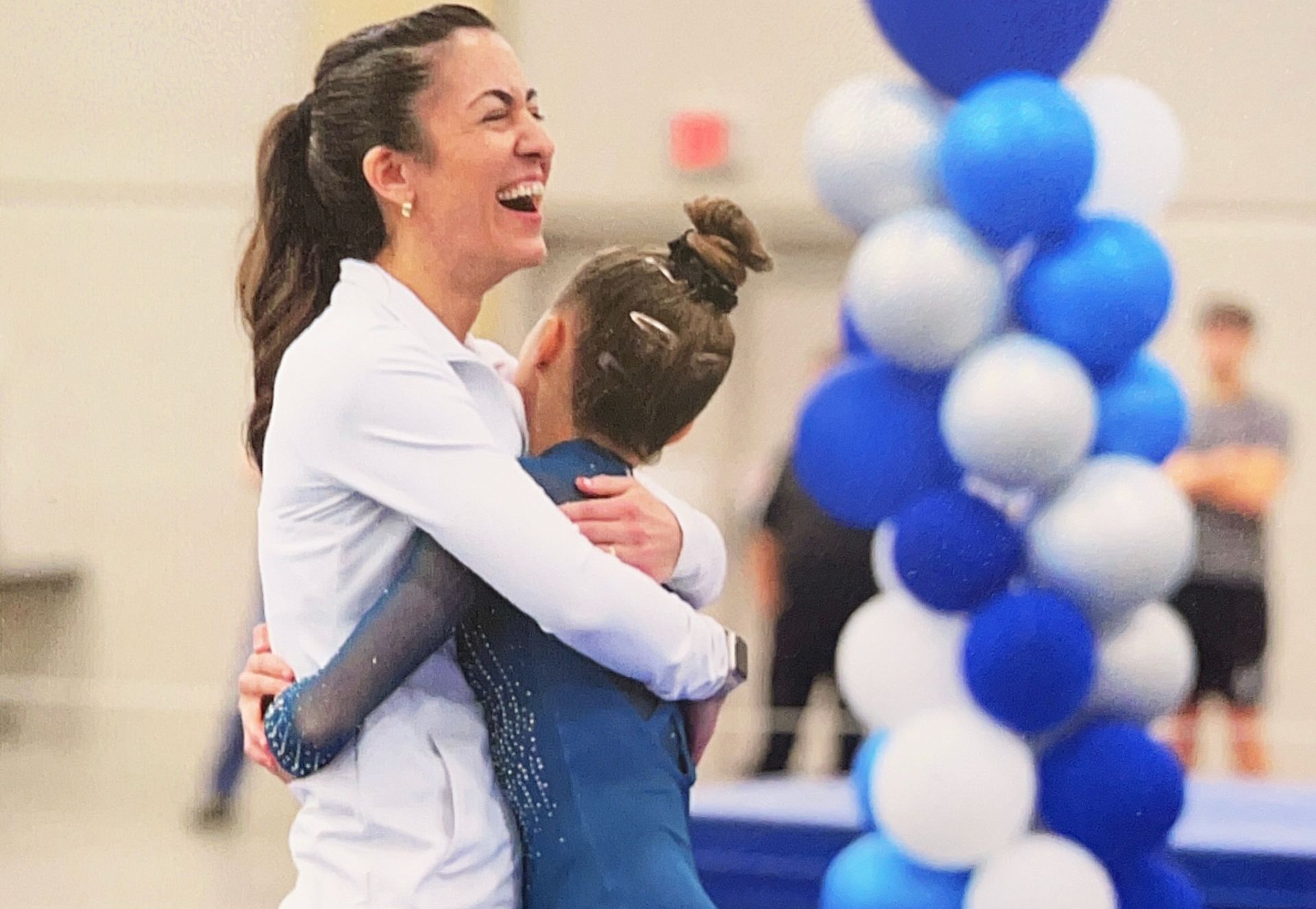
Sarah Batdorf shares her first big coaching mistake: picking easy skills to win early, and how it later held gymnasts back on harder skills like beam.